What is flakka? Florida's dangerous new drug trend
Police in south Florida have seen a growing number of cases of bizarre and uncontrollable behavior linked to a street drug called flakka, one of the newer chemicals in the booming category of synthetic or designer drugs.
In Fort Lauderdale last month, a man tried to break down the front door of a local precinct and told police officers he was high on flakka. A few weeks later, another man who said he had just smoked flakka impaled himself while trying to scale a fence around the police station. In Lake Worth, a city in Palm Beach County, a man armed with a gun -- and naked -- stood on a rooftop and announced, "I feel delusional, and I'm hallucinating!" He told authorities he had vaped flakka with an e-cigarette.
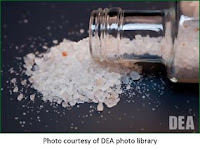
Flakka is a designer drug that can be snorted, smoked, injected or swallowed. It may also be combined with other, softer drugs such as marijuana.
Flakka is most typically made from the chemical alpha-PVP, which is a synthetic version of the amphetamine-like stimulant cathinone. Cathinones are chemicals derived from the khat plant grown in the Middle East and Somalia, where the leaves are frequently chewed for a euphoric buzz.
America: Addiction by the numbers 1. 21.5 million: The amount of people aged 12 or older in 2014 had a substance use disorder in the past year. 2. 1 in 5: The amount of young adults in 2014 who were users of illicit drugs. 3. 7,800:The daily number of people 12 and over who tried an illicit drug for the first time. 4. Marijuana: The drug most new illicit drug users begin with. Followed by prescription pain relievers and then inhalants. 5. 700 Billion: The amount the abuse of tobacco, alcohol, and illicit drugs costs to our Nation annually in costs related to crime, lost work productivity and health care. 6. 3x: The amount the business of recovery has increased in the last 25 years. 7. 14,000: The amount of addiction treatment facilities. 8. 35 billion: The an...
SAN DIEGO -- California's new law allowing life-ending drugs for the terminally ill has the strictest requirements of any of the five states that permit such prescriptions. The law in the nation's most populous state goes into effect June 9. It was approved following the widely publicized case of Brittany Maynard, a 29-year-old California woman with terminal brain cancer who moved to Oregon so she could legally end her life in 2014. Dr. Eric Walsh, the Oregon physician who prescribed the medication to Maynard and 19 others, says he believes terminally ill patients should have the option. "When somebody's facing the end of their life shouldn't they be in control? Shouldn't I be able to help them when they're suffering, and the burden of living becomes intolerable to them?" Walsh said. He spoke to CBS News chief medical correspondent Dr. Jon LaPook for a "60 Minutes" report on Maynard's death and the aid-in-dying movement. Dr. Dan...
A fetus was discovered inside a San Antonio woman's purse while she was being arrested for drugs in a park Thursday night. Bernadette Rivera, 32, had several felonies worth of narcotics, including heroin and methamphetamine, on her — reportedly near her private area, sources told KENS-TV. During the search, Rivera openly told officers of the fetus in her purse and explained that she recently had a miscarriage. "Rivera left the hospital with the remains deciding that she would determine” the disposal of them, said San Antonio Police Department Public Information Officer Romana Lopez. Officers discovered decomposing tissue about two inches long inside a small plastic Q-Tip box covered by napkins inside Rivera's purse, San Antonio police reported. The fetus was estimated to be about 8 weeks old. Detectives determined that Rivera's possession of the fetus was not a criminal case and she is only being charged with possession of narcotics. The Medical Examiner's...



Comments
Post a Comment